


Hopefully you are reading this hunkered down for a relaxing Thanksgiving weekend surrounded by your #1 team… your family and/or friends.
When I look back on the teams I’ve been a part of (life and business), I don’t remember our season records or any specific metrics, OKRs, or even the final scoreboard of our games or achievements.
I remember the people… my teammates. I remember the feelings of being on a great team.
I remember the teammate who stayed up late / all night with me before a big presentation or launch.
I remember the nervous energy in the locker room before the big game, the time we came back from certain loss, and the post-game celebrations of the big wins.
I remember the quiet confidence of the colleague who didn’t say much but always delivered.
I remember the laughter after the pressure broke - the feeling of us against the world.
These are my memories of “Winning Teams”.
The memories that last are the shared stories, inside jokes, scars, and moments that only those who were there will ever really understand.
One early memory for me that helped me personally start defining “Winning Teams” was in high school.
My High School Soccer “Start Up” That Started My Leadership Journey
When I was a freshman in high school, my brother, my Spanish teacher, a few friends, and I decided to start a soccer club. I was in Ohio. Soccer, in our 20,000 person town, didn’t exist.
We had no uniforms, no funding, and no players. We had to build our team from scratch.
We cobbled together roughly 20 other kids who were “interested”. In that first year, we didn’t win a single game. Not one. 0-13-2
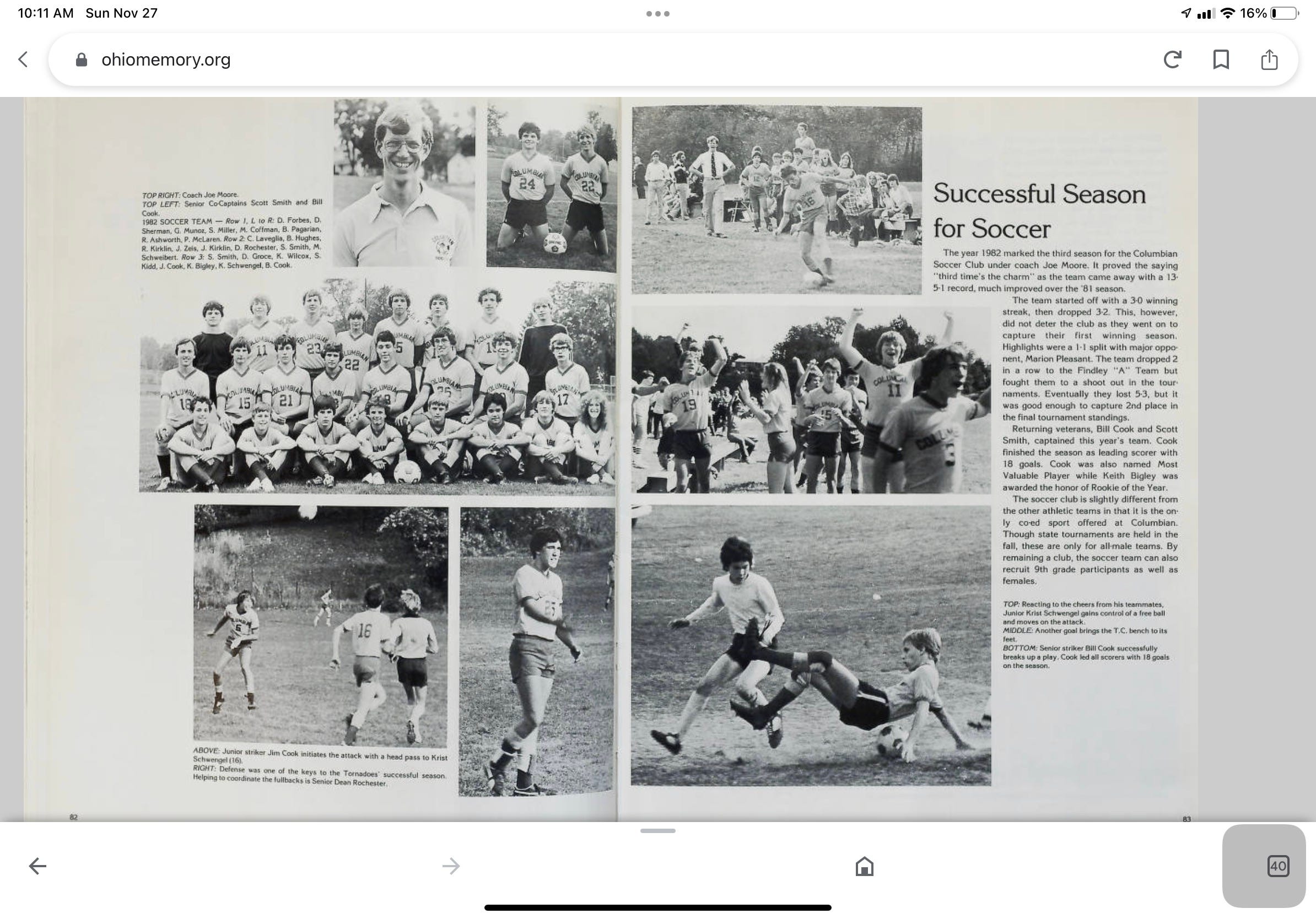
But we kept showing up in the locker room at 5am to run our 3-5 miles before school in those ever colder Ohio late fall mornings. We built our team with a rhythm and rigor and a “culture first” mentality. I didn’t know any of this stuff back then, but our high school spanish teacher, Coach Moore, knew all about winning teams. I’ve been “processing”, practicing, and mastering how to build winning teams ever since.
We showed up together at practice every afternoon running another 3-5 miles before our intense practice of fundamentals, positioning, and the “strategies” of developing a winning game plan.
While we didn’t win any games that year, by our 2nd year (my sophomore year), we started to believe we could win. Hint: Believing you can win is more than 1/2 the battle. The opposite is true and also brings good teams down, and they never make it to “great”.
We did it together. In my junior year, we were humming as a team and went 13-5-1.
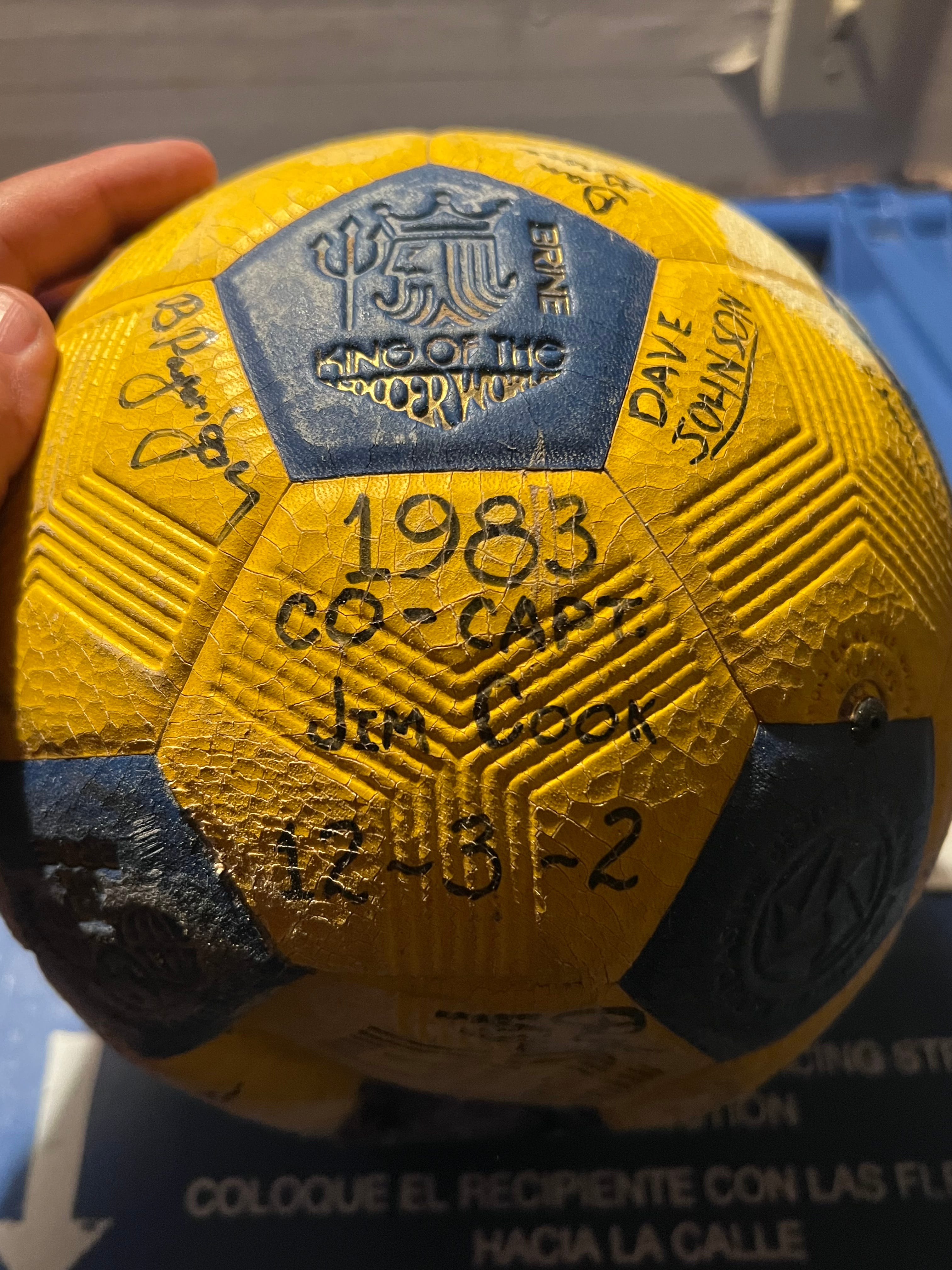
And again in senior year, we went 12–3–2 and won our league.
Great Teams Are Built Off the Field
We obviously weren’t the most talented team but we were one of the most connected teams I’ve ever been on.
We knew where each other would be on the field. We had team trust. We knew everyone one of us had each others back.
We worked harder than most every other team (at least that’s what I still tell myself) and most of all we had fun just “being a team”.
Our team bus rides. Tee-peeing our coach’s house after every victory. We had so many “rituals” off the field.
That’s when I first understood the power of a true team: How grit, belief, and unity could beat much better talent without a sense of team every time.
2 of my favorite “Team” quotes:
“Teams Beat Talent When Talent Isn’t a Team”
And the more popular one:
“Hard Work Beats Talent When Talent Doesn’t Work Hard”
Our great coach gave us ownership and space to fail and grow. Coach Moore made us a team and changed the lives of all us.
These early lessons became part of how I think about leadership, culture, and teams.
I fundamentally believe all great teams share very similar characteristics and behaviors. The core to my belief on what makes teams special is what happens off the field and in-between “the games”.
Teams build bonds in these in-between moments: hanging out together, grabbing food together, doing other off-field activities together.
These teams build a kind of unspoken trust that carries over when the whistle blows on the field - win or lose.
Small, everyday moments - the bus rides, the early morning runs, the inside jokes - create connections that makes a good team a great team.
We Don’t Remember the Scoreboard - We Remember the Story
When you ask anyone who’s been part of a special team - an elite sports squad, a high-growth startup, a nonprofit doing the impossible - and you’ll see it in their eyes and in passion of their voice when they talk about “their team”.
They’ll talk about the people. About how they pushed each other. About the time someone failed (many times themselves) and how the team carried them. About the impossible deadline that they somehow delivered together against the odds.
The scoreboards always fade, but the stories always remain.
Que Bruce Springsteens “Glory Days”…
At Netflix, when we were just six people starting the DVD-by-mail service in 1997, we didn’t know whether it would work but we knew were having fun figuring it out together.
And when we finally shipped those first envelopes, it wasn’t the metrics we celebrated, it was that fact that we did it… together.
Great teams forge bonds through uncertainty, creativity, and difficulty. Shared collective effort is what every great team remembers… just ask them!
The True Currency of Leadership
So, when it’s your turn to build or lead a team, don’t ever forget to build your team chemistry first and your results second. The results will come once you form these bonds and chemistry. The results won’t last if you don’t.
The most durable organizations, like the most successful teams, are built on trust, respect, and shared ownership.
They have what I call “emotional glue” - the sense that we’re in this together, and we’ve all got each others backs.
The scoreboard may tell you how you performed, but your team will tell you who you became along the way.
The Real Legacy of a Season
I’ve coached dozens of executives who’ve built companies, taken them public, and sold them for life-changing amounts. I’m friends with Division 1 and pro athletes of several sports.
And yet, when I ask what they’re most proud of, it’s never their own accomplishment, their teams record, their company valuation, or the size of the company.
It’s the people. The team. It’s the collective team journey.
We remember the late nights, the hard decisions, the shared victories, and even the losses that shape us.
Because in the end, our real legacy isn’t the business we built - it’s the teams we built to make it happen.
Leaders: Call the Huddle Off the Field
If you’re leading a team today - in a company, a division, or a startup - start building your team chemistry today. Maybe that’s just a little recognition. Think of starting a new “team connection” ritual to learn about each other to start your next all-team or all department meeting.
Take the team offsite to bond at a local event of any kind. This doesn’t have to be a sporting event. It could be as simple as Bowling or Flight Club (Darts) or Top Golf. Simple outing but effective for team bonding.
Plan a quarterly team dinner.
Schedule the semi-annual offsite. You don’t need a big budget or a fancy retreat center. You just need time together. The more unstructured human time the better.
These moments are where “Team ROI” begins.
The returns and rewards of these social outings far outweighs the cost. Make these team investments more traditional and something the teams look forward to and that’s how the investment starts compounding in ways that show up in trust, collaboration, and shared resilience when the next team crisis hits.
The leaders on the team (and that’s likely you - or could be you if you begin helping to build your team culture this way) are the only ones who can start building this kind of team culture and chemistry.
As a leader, invest the time to build, recognize, and honor your team(s). Leadership is not just about managing results - it’s way more than that.
Your Call To Action
At your next all-hands, your next team dinner, your next one-on-one, try to remember these lessons. Zoom out. Pause.
Tell a story about a team moment that mattered.
Recognize the people who made the moment possible.
Because when it’s all said and done, that’s what we’ll remember.
Not the season record.
Not the score.
You will remember the team, the people and what you went through together.
Happy Thanksgiving 2025 to all my old high school teammates, all the work teams I’ve ever been on, to all my “friends and family team”. When I think about what really matters in life and about teamwork, I’m thinking about all of you.
